EMDR Therapy

Person with brown hair embracing a person with light brown hair, both smiling, surrounded by yellow and light green abstract shapes.

Scroll down to find out more about EMDR and how it can support your journey to alleviating distress, emotional impacts and lingering effects associated with traumatic memories

What exactly is EMDR therapy?

EMDR therapy, AKA Eye Movement Desensitisation and Reprocessing, is a holistic body and mind therapy that helps people deal with unprocessed body sensations, deeply held beliefs, thoughts, and feelings from distressing and traumatic memories. It's all about helping you process the impacts of distressing material stored somatically, psychologically, spiritually, culturally and intergenerationally. This approach taps into the body and mind’s own way of healing, making the felt sense of the experience/s less painful and impactful to live and navigate with. It's supporting your system to process through the impacts of those past experiences to find your favourite self that is based on your values and purpose

How is EMDR different to other therapies?

With EMDR therapy, there's no requirement to delve deeply into discussing the distressing issues or do homework between sessions. Instead of trying to tweak how you feel, think, or act about the tough stuff, EMDR lets your brain get back to its own way of healing through sorting things out. This therapy is all about dealing with those sticky, unprocessed memories that just won't leave you alone. The cool part? A lot of people find they don't need as many sessions as they might with other types of therapy

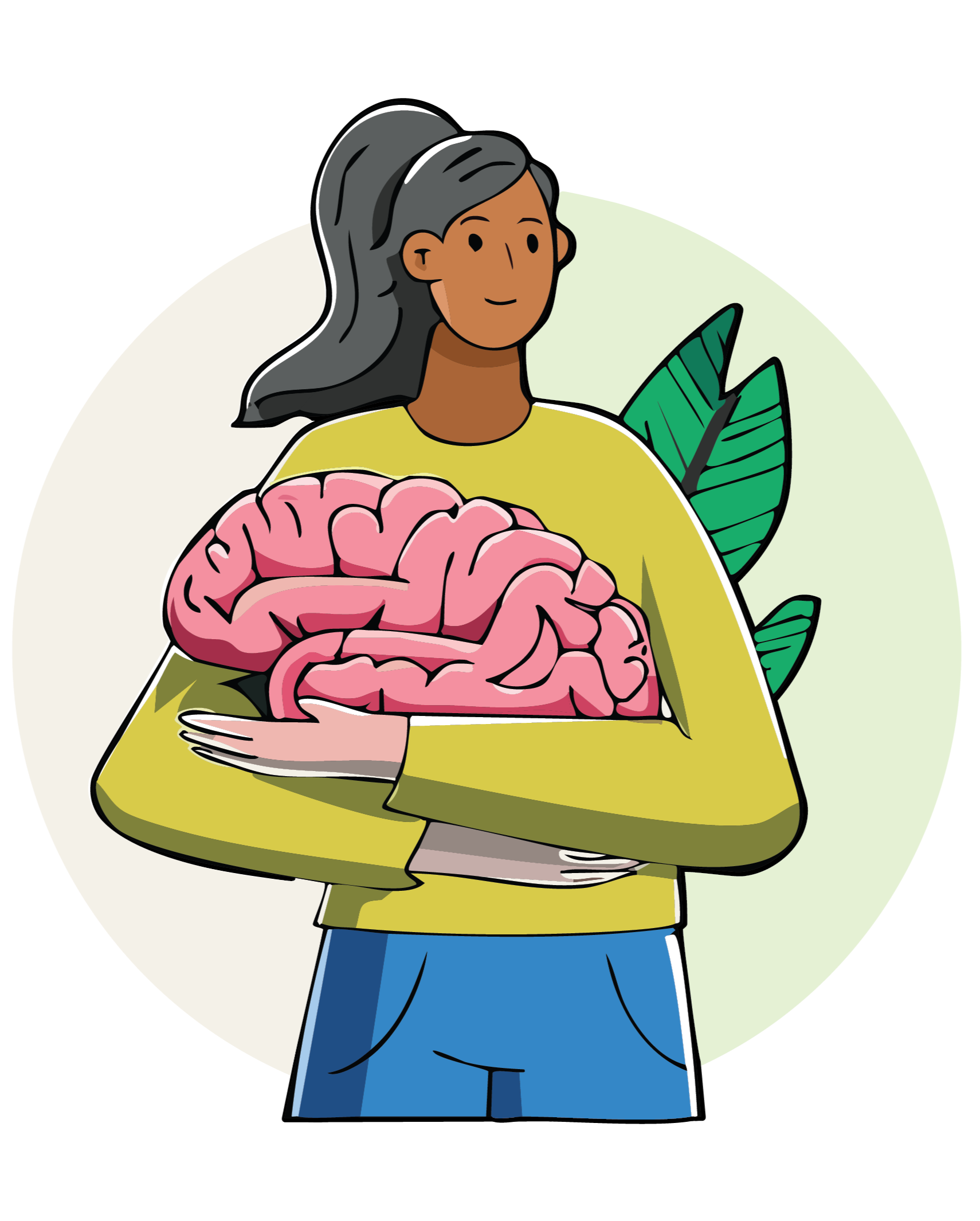
Illustration of a woman holding a large pink brain with green leaves in the background.

What does EMDR do to my brain?

Our brains are pretty awesome and skilled at getting over tough times and bad memories. They do this through a team effort: the amygdala (which hits the panic button when things get stressful), the hippocampus (helps us learn from the past, like what's safe and what's not), and the prefrontal cortex (the centre of behaviour and feelings). Usually, our brains can sort through and heal from difficult and distressing experiences on their own, like how the body can heal from cuts or an injury. But sometimes, our brain needs a bit of a nudge.

Feeling super stressed is just our body's way of deciding whether to stay and deal with the problem [AKA flight], run away [AKA Flee], or freeze up [AKA, you guessed it: freeze]. HOWEVER, when the stress from a bad memory sticks around, it can make you feel like you're stuck right back in that awful moment, and that the memory and distress is frozen in place. EMDR therapy steps in to help your brain work through those stuck memories, so your brain's natural healing can kick back into gear. You'll still remember what happened, but it won't send you into panic, fight, flight, or freeze, fall or fawn mode anymore.

Who can benefit from EMDR therapy?

EMDR therapy is for everyone – kids, teens, adults, couples and even families. EMDR is a well researched therapy and accredited therapists use it to tackle all sorts of stuff such as:

Videos about EMDR and the Process

EMDR FAQs

Ready to book an EMDR appointment and access healing?